Government
Texas election results: Dallas voters weigh in on Prop A and a $443M bond for new police facilities
By Devin Patel
Advertisement · Why this ad?
With a degree in Business Administration from Texas A&M University, Rafael Torres brings 7 years of experience in business reporting from the Denton Record-Chronicle. His keen eye for detail and passion for economic issues allow him to draw connections between local businesses and broader economic trends. Rafael is particularly interested in entrepreneurial stories and small business growth in the Plano area.
More from Rafael →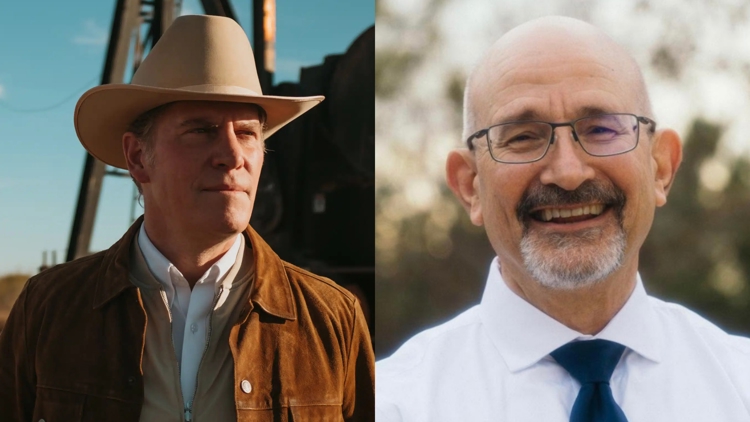
As the sun began to set over Plano, a sense of anticipation filled the air. Residents gathered at local coffee shops and community centers, discussing the upcoming election for Texas Railroad Commissioner. This position, often overlooked, plays a critical role in regulating the state’s energy industry, impacting everything from oil and gas production to environmental protections. With candidates Bo French and Jon Rosenthal vying for the position, the stakes couldn't be higher for Texans.
The Texas Railroad Commission, despite its name, has nothing to do with railroads. Instead, it oversees the state's vast energy resources, making it a pivotal office in a state where energy production is a cornerstone of the economy. As the election date approaches, the race between Bo French, a Republican, and Jon Rosenthal, a Democrat, has intensified. French, a former executive in the oil and gas industry, emphasizes the importance of deregulation to boost Texas's energy sector. In contrast, Rosenthal, a state representative, advocates for stricter environmental protections and transparency in the energy market.
According to recent polls, the candidates are in a tight race, with many voters still undecided. The Texas Railroad Commission has been under scrutiny for its handling of environmental issues, particularly following the winter storm in February 2021 that left millions without power. Both candidates have made it clear that they intend to address these concerns head-on if elected.
Residents of Plano are particularly invested in this election, as the outcome could directly affect local businesses and households. Many are concerned about rising energy costs and the reliability of the power grid. Local business owner, Maria Gonzalez, expressed her worries, stating, "We need leaders who understand the balance between economic growth and environmental responsibility. This election is crucial for our community's future."
In a recent town hall meeting, both candidates were met with passionate questions from residents. French highlighted his plans to cut red tape for energy companies, arguing that it would lead to job creation and lower prices for consumers. Meanwhile, Rosenthal countered by stressing the importance of ensuring that energy companies are held accountable for their environmental impact. "We cannot sacrifice our health and safety for profits," he stated, drawing applause from the audience.
Families in Plano are particularly concerned about the long-term implications of energy policies on their children’s future. Many parents are advocating for sustainable practices and renewable energy sources to ensure a healthier planet for the next generation. This sentiment was echoed by local environmental groups, who are mobilizing support for Rosenthal in hopes of fostering a more sustainable approach to energy regulation.
The Texas Railroad Commission was established in 1891 and has evolved to oversee not just railroads but also oil and gas production, pipeline safety, and natural resource conservation. It plays a vital role in ensuring that the state's energy sector operates efficiently while also protecting the environment. The commission's decisions can have far-reaching effects on local economies and the livelihoods of Texans.
In recent years, the commission has faced criticism for its handling of various issues, including the regulation of fracking and the management of the state's energy grid. In light of these challenges, the upcoming election is seen as an opportunity for change. Voters are eager to see how the new commissioner will address these pressing concerns.
Bo French's platform centers on deregulation and economic growth. He argues that reducing government oversight will lead to increased investment in the energy sector, ultimately benefiting consumers. "Texas has always been a leader in energy production, and we need to support our businesses to keep that status," French asserted during a recent debate.
On the other hand, Jon Rosenthal focuses on accountability and sustainability. He believes that the commission should prioritize environmental protections and ensure that energy companies are transparent in their operations. "We owe it to our communities to hold these companies accountable for their actions," Rosenthal remarked, emphasizing the need for a balanced approach to energy regulation.
The outcome of this election will have significant implications for Plano and its residents. With energy costs rising and concerns about environmental sustainability at the forefront, the new commissioner will need to navigate these complex issues carefully. Local leaders are urging residents to educate themselves about the candidates and their platforms before casting their votes.
As Plano continues to grow, the demand for reliable and affordable energy will only increase. Residents are hopeful that the new Texas Railroad Commissioner will prioritize both economic development and environmental stewardship. The community's commitment to strong families and a stable future for the next generation will be crucial in shaping the direction of energy policy in Texas.
As the election approaches, both candidates are ramping up their campaigns, reaching out to voters through social media, town hall meetings, and community events. Voter turnout will be critical, as many residents are still undecided about whom to support. Early voting begins on [insert date], and election day is set for [insert date], giving voters ample time to engage with the candidates and their proposals.
Ultimately, the Texas Railroad Commission's role in regulating the energy industry is more important than ever. With the right leadership, Texas can continue to thrive as a leader in energy production while also ensuring that the environment is protected for future generations. The residents of Plano are ready to make their voices heard, and the outcome of this election could shape the future of energy policy in Texas for years to come.
This election goes beyond the immediate concerns of Plano residents; it reflects a broader national conversation about energy policy, climate change, and economic sustainability. As Texas grapples with extreme weather events and their impact on the energy grid, the decisions made by the Railroad Commission could set a precedent for other states facing similar challenges. Local environmental organizations, such as the Plano Environmental Coalition, are particularly focused on this election, believing that the outcome could influence future legislation on renewable energy initiatives and climate action plans across the state.
Another critical aspect of this election is the engagement of younger voters. Many young residents in Plano are becoming increasingly vocal about their expectations for climate action and sustainable energy solutions. Organizations like the Texas Young Democrats and local college groups are mobilizing efforts to encourage their peers to participate in the election. Events aimed at educating young voters about the candidates' positions on climate issues are being organized, highlighting the importance of their involvement in shaping the future of energy policy in Texas.
In the coming weeks, the Plano community will need to stay informed about the candidates' final campaign pushes and any debates or public forums that may arise. Local leaders are encouraging residents to participate in these discussions, as they provide an opportunity to voice concerns and ask critical questions. The outcome of this election will not only affect energy policy but also the economic landscape and environmental health of the region for generations to come.
As Plano looks toward the future, residents are reminded that their votes matter. The Texas Railroad Commissioner will play a vital role in shaping the state's energy policies, and the community's engagement in this election is essential. By staying informed and participating in the electoral process, residents can help ensure that their voices are heard in the decisions that will impact their lives.
By Devin Patel

By Janelle Smith
By Brianna Lee
By Elena Rodriguez