Sports
Why are there no NBA games on Election Day?
By Janelle Smith
Advertisement · Why this ad?
Janelle Smith, a graduate of the University of North Texas, has spent 8 years covering high school sports in Collin County, and has a knack for highlighting young talent. Her previous work at the McKinney Courier-Gazette has honed her eye for the dramatic moments that define athletic competition. Janelle's deep-rooted connections with local schools allow her to tell not just the scores, but the stories behind the games.
More from Janelle →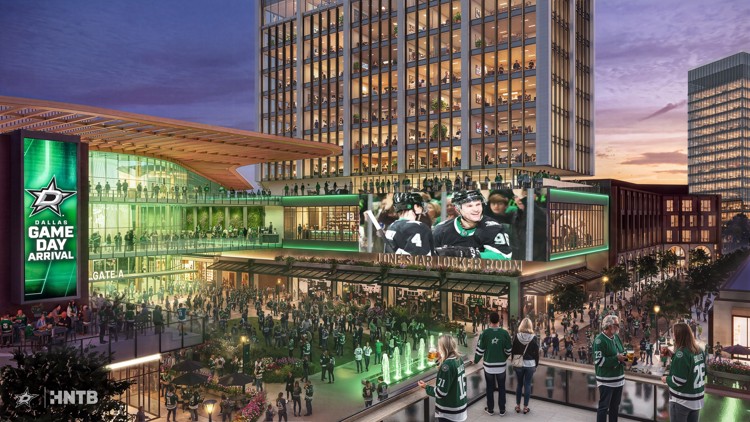
As the sun began to set over Plano, a palpable sense of anticipation filled the air outside the polling stations. Voters lined up, not just to cast their ballots but to make a decision that could reshape the city’s sports landscape for generations to come. The question on everyone’s mind was clear: would Plano residents support the referendum to finance a new Dallas Stars arena with a hefty $700 million price tag?
On election day, Plano voters faced a pivotal decision regarding a referendum that could pave the way for a new hockey arena for the Dallas Stars. This ballot item proposed the implementation of new taxes, allowing the city to contribute up to $700 million towards the construction of this state-of-the-art facility. The stakes were high, with supporters arguing that the new arena would not only bolster the local economy but also enhance the city’s reputation as a hub for sports and entertainment.
The proposal, which had been in the works for several months, sparked heated discussions throughout the community. Proponents highlighted the potential job creation, increased tourism, and the overall economic boost that a new arena would bring. However, opponents raised concerns about the financial burden on taxpayers and the long-term implications of such a significant investment.
The Dallas Stars, a beloved NHL franchise, have been a staple in the area since their inception in 1993. Their current home, the American Airlines Center, has served them well, but as the demands of modern sports facilities evolve, so too does the need for an upgrade. The proposed arena aims to provide a cutting-edge venue that meets the needs of both players and fans alike.
City officials have emphasized that this new arena would not only serve as a home for the Stars but also host a variety of events, from concerts to community gatherings. The potential for year-round use is a significant selling point, promising to keep the arena bustling with activity and drawing visitors from across the region. Moreover, city planners envision the surrounding area transforming into a vibrant entertainment district, with restaurants, shops, and outdoor spaces that could host festivals and events, further enriching the community's cultural fabric.
The community’s response to the referendum was a mixed bag. Local business owners voiced strong support, envisioning increased foot traffic and revenue as a result of the new arena. “Having a new venue would be a game-changer for us,” said Maria Gonzalez, owner of a nearby restaurant. “We’re ready to welcome more customers and create a vibrant atmosphere around the arena.” Maria, who has lived in Plano for over a decade, believes that the new arena could help revitalize the area, which has seen some businesses struggle in recent years.
Conversely, some residents expressed skepticism. “I love hockey, but I’m not sure we should be spending taxpayer money on this,” remarked John Thompson, a lifelong Plano resident. “We need to prioritize our schools and infrastructure first.” This sentiment echoed throughout various neighborhoods, showcasing the diverse opinions within the community. Many residents, like John, are concerned about the potential increase in taxes and how that might impact their daily lives, particularly in a city where property taxes have already been a contentious issue.
The financial aspects of the referendum were a significant point of contention. Supporters of the arena argued that the long-term economic benefits would outweigh the initial costs. According to city projections, the new taxes implemented to fund the arena could generate substantial revenue, which could then be reinvested into the community. In addition to the anticipated job creation directly linked to the arena's construction and operation, proponents argue that the influx of visitors would benefit local hotels, restaurants, and other businesses.
“We believe that this investment will pay dividends in the years to come,” said Mayor Sarah Johnson during a town hall meeting. “A new arena means jobs, tourism, and a chance for our city to shine on a larger stage.” The mayor’s optimism resonated with many, who are excited about the prospect of seeing Plano on the map as a destination for major sporting events. She pointed out that cities with modern arenas often see a spike in tourism, which can lead to increased funding for public services.
However, the potential drawbacks of the new taxes were not lost on voters. Critics raised valid concerns about the burden on families and the risk of rising costs associated with the project. “We have to be careful not to overextend ourselves financially,” said local activist Emily Chen. “While I support the Stars, I also want to ensure that our community remains affordable for everyone.” Emily's perspective reflects the broader struggle many cities face when balancing the desire for new infrastructure with the need to maintain quality of life for residents. As Plano considers this referendum, the voices of its citizens will play a crucial role in shaping the outcome.
The impact of this referendum extends beyond just sports. It represents a moment of unity for Plano, a chance for residents to come together and envision their city’s future. Whether for or against the new arena, the discussions surrounding the referendum have sparked a renewed interest in civic engagement. Local organizations have rallied to educate voters about the implications of the referendum, hosting forums and discussions to ensure that everyone has a voice in the decision-making process. “It’s important that we all participate in shaping our community,” said community leader David Martinez. “Regardless of how you vote, being informed is key.”
Moreover, the referendum has prompted residents to consider what kind of city they want to build together. Many local groups have taken the opportunity to engage in broader discussions about economic development, community resources, and the future of public spaces. This referendum could very well serve as a catalyst for more comprehensive planning and community involvement in future projects.
As the votes are counted and the results of the referendum are revealed, the future of Plano hangs in the balance. Will the community embrace the opportunity to invest in a new Dallas Stars arena, or will they prioritize other needs? The decision made today will echo through the halls of Plano for years to come.
Regardless of the outcome, one thing is certain: the passion and commitment of Plano residents will continue to drive the conversation about their city’s future. As we look ahead, the hope is that this referendum will not only bring new opportunities for sports and entertainment but also foster a stronger sense of community and collaboration among residents. The results will likely influence future investments in local infrastructure and could even set a precedent for how similar projects are approached in the future. The ongoing dialogue about the arena is just the beginning of what could be a transformative period for Plano.
By Janelle Smith

By Lindsey Harper
By Janelle Smith
By Devin Patel