Community
Will Texans get $1,500? What must happen for Gina Hinojosa’s payment plan to become reality
By Elena Rodriguez
Advertisement · Why this ad?
Brianna Lee is a dynamic journalist with a degree from Southern Methodist University and 4 years of experience covering community events for local outlets. Known for her upbeat demeanor and active engagement within the community, she has a pulse on what makes Plano tick. Brianna is dedicated to showcasing local events and initiatives that foster community spirit and engagement.
More from Brianna →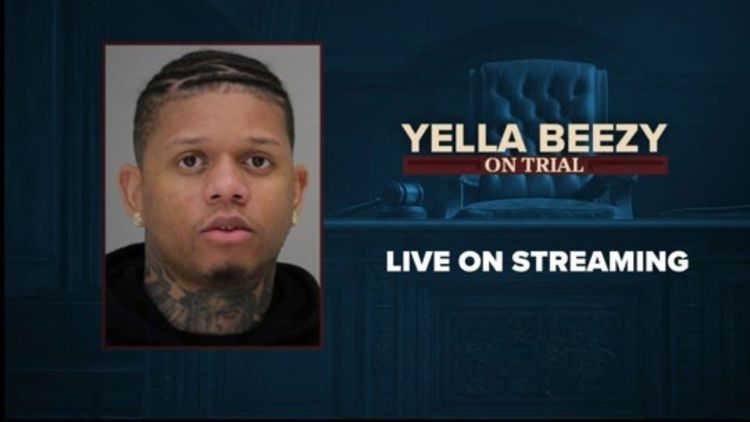
As the sun rose over Plano, Texas, the tension was palpable in the air. Families, friends, and community members gathered outside the courthouse, their faces a mix of concern and curiosity. Today marks day six of the Yella Beezy trial, where the stakes are high and the emotions even higher. The courtroom has become a stage for a story that intertwines fame, rivalry, and the quest for justice.
On this pivotal day, testimony resumes in the trial of Dallas rapper Yella Beezy, whose real name is Markies Conway. Prosecutors allege that Conway orchestrated a hit on a rival, leading to the murder of fellow artist Mo3 in Dallas back in 2020. The case has captivated the local community, drawing attention not only for its high-profile nature but also for the serious implications it carries for the city of Dallas and its music scene.
The events leading to Mo3's tragic demise have been laid bare in the courtroom, with witnesses recounting harrowing details. As evidence mounts, the prosecution aims to establish a clear connection between Conway and the alleged crime. The trial has seen a mix of emotional testimonies and stark realities that highlight the darker side of the music industry.
As the day unfolds, anticipation builds among those gathered outside. Many are eager to hear more about the case that has gripped the community. The impact of this trial extends beyond the courtroom; it resonates with families and friends who are affected by the violence that has plagued the rap scene in recent years. In a city known for its vibrant culture, the shadow of violence looms large.
The trial has ignited discussions across Plano and beyond, with community members expressing a mix of emotions. Some are calling for justice, while others reflect on the impact of such violence on families and relationships. The tragic loss of Mo3 has opened the door for conversations about the importance of unity and support within the community.
Local leaders have spoken out, urging residents to come together to combat the rising tide of violence. “We need to protect our families and our futures,” said a prominent community activist during a recent gathering. “This trial serves as a reminder of the consequences of a life filled with conflict. It’s time we focus on building stronger bonds and lifting each other up.”
Many residents have taken to social media to share their thoughts and prayers for the families involved. “This is heartbreaking for everyone,” one local resident tweeted. “We need to support each other and find ways to prevent this from happening again.” The emotional weight of the trial is felt deeply, as families grapple with the loss of loved ones and the fear of violence in their neighborhoods.
In the midst of all this, local churches have stepped up, offering support and counseling for those affected by the events surrounding the trial. “We are here to help our community heal,” said Pastor James, a local leader. “It’s essential that we come together in faith and love to overcome these challenges.”
Among those attending the trial is Angela, a longtime friend of Mo3, who shared her feelings of loss and frustration. “Mo3 was not just an artist; he was a friend, a brother to many of us. His music resonated with our struggles and dreams,” she said, tears in her eyes. “We are here to seek justice, but we also want to raise awareness about the violence that has taken too many lives in our community.” Angela's sentiments echo those of many who knew Mo3 personally, emphasizing the need for healing and solidarity in the face of tragedy.
Many of Mo3's fans have also organized vigils and memorials, highlighting the impact of his life and music on the community. These gatherings have become a space for sharing stories, celebrating his contributions, and addressing the need for change within the local music scene.
The music industry, often seen as a glamorous world, is not without its pitfalls. The rivalry between artists can lead to dangerous situations, and the case of Yella Beezy and Mo3 is a stark reminder of this reality. As the trial progresses, many are questioning how the industry can better protect its artists and foster a culture of respect and collaboration.
Industry experts have weighed in, suggesting that the focus should shift towards mentorship and community-building among artists. “We need to create an environment where artists can thrive without fear of violence,” said music producer and educator Lisa Grant. “This trial highlights the urgent need for change in how we approach conflicts within the industry.”
As the community watches the trial unfold, there is hope that it will spark meaningful conversations about how to support artists and promote a culture of peace. The power of music should be a unifying force, not a source of division.
In light of this trial, local organizations and artists are beginning to collaborate on initiatives aimed at reducing violence in the music scene. Workshops and community events are being planned, focusing on conflict resolution, mental health support, and the importance of community engagement. “We want to create safe spaces for artists to express themselves without fear,” said local rapper and activist Jay D. “This is a pivotal moment for our community to come together and create a better future.”
As the trial continues, the eyes of Plano and the greater Dallas area remain fixed on the courtroom. The outcome of this case will not only impact those directly involved but also serve as a reflection of the community's values. Will justice prevail, or will this be another chapter in a long history of violence?
Local organizations are gearing up to provide support for families affected by the trial, emphasizing the importance of healing and reconciliation. “We want to ensure that no one feels alone during this difficult time,” said a representative from a local nonprofit organization. “Our focus is on building a stronger community through love and understanding.”
In the coming weeks, as the trial progresses, community members are encouraged to engage in conversations about the issues raised. Whether through local events or social media, the opportunity to foster dialogue is critical. This is a chance for Plano to come together, united in a common cause: to promote healing, understanding, and ultimately, change.
As we look forward to the next stages of the trial, let us remember that our community is built on the foundations of strong families, authentic faith, and a commitment to each other. Together, we can turn this moment into a catalyst for positive change, ensuring that the legacy of those lost is honored through our actions.
By Elena Rodriguez
By Elena Rodriguez
By Elena Rodriguez
By Brianna Lee