
Community
North Texas man dead following auto-bicyclist accident, police say
By Elena Rodriguez
Advertisement · Why this ad?
Elena Rodriguez has over 15 years of experience covering local news in North Texas, including a decade at the Plano Star Courier. A graduate of the University of Texas at Arlington, she has earned multiple awards for her in-depth coverage of community issues and civic engagement. She’s passionate about amplifying underrepresented voices and fostering dialogue amongst residents.
More from Elena →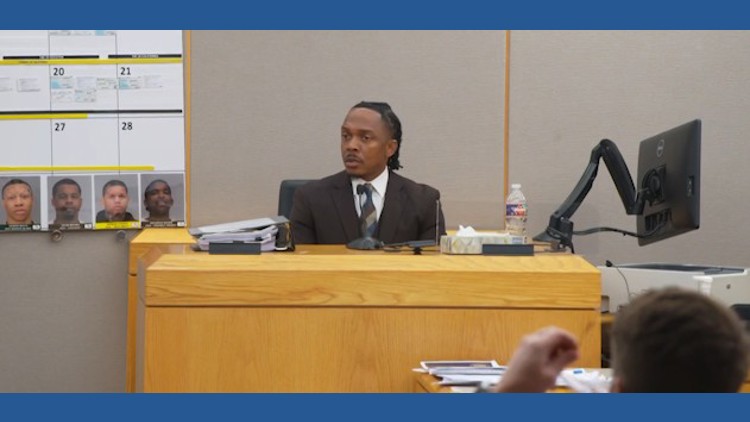
On a chilly evening in November 2020, the vibrant sounds of Dallas nightlife were abruptly silenced by a tragic event that would reverberate through the community for years to come. The news of rapper Mo3's untimely death sent shockwaves, leaving friends and fans grappling with the loss of a beloved figure. As the details of his murder unfolded, they revealed a story not just of violence, but of a community's fight for justice and healing.
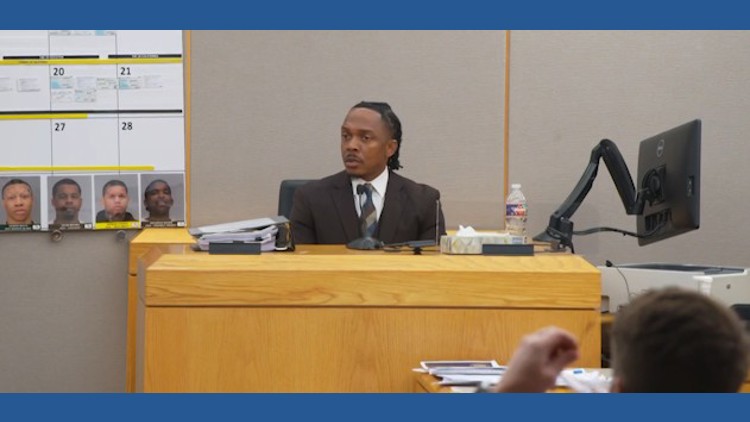
The trial surrounding the murder of Mo3, whose real name was Melvin Noble, has brought to light the complexities of the investigation that followed his death on November 11, 2020. A lead detective from the Dallas Police Department recently took the stand, recounting the moment he received the harrowing news of the rapper's murder. He described the initial chaos of the scene and the urgency that gripped the department as they sought to piece together the events leading to Mo3's demise.
During his testimony, the detective detailed the painstaking efforts taken to gather evidence, interview witnesses, and follow leads. The investigation was not just about solving a crime; it was about bringing closure to a grieving community that had lost one of its own. The detective's account painted a vivid picture of the challenges faced by law enforcement in the wake of such violence, emphasizing the emotional toll it took on both the officers involved and the community at large.
As the detective recounted the timeline of events, it became clear that Mo3's murder was not an isolated incident but part of a larger narrative of crime and conflict in the area. His death sparked conversations about safety, community responsibility, and the need for stronger support systems for at-risk youth in Dallas. The trial has become a focal point for those advocating for change, urging local leaders to address the root causes of violence in their neighborhoods.
The impact of Mo3's murder has been felt deeply across Plano and the greater Dallas area. Fans, family, and friends have come together to honor his legacy, hosting vigils and community events aimed at promoting peace and unity. The outpouring of love and support for Mo3 has highlighted the importance of community ties, especially in times of tragedy.
In the months following Mo3's death, numerous vigils were held in his memory, drawing crowds of supporters who shared stories and celebrated his life through music. These gatherings have served as a reminder of the power of community and the importance of coming together in the face of adversity. Local churches, such as St. Andrew United Methodist Church, opened their doors for memorial services, emphasizing the need for healing and hope.
Community leaders have also stepped up, calling for action and advocating for programs that support young people in the area. Initiatives aimed at mentorship and education have gained traction, as residents recognize the necessity of investing in the next generation to prevent further tragedies like Mo3's. The collective grief has transformed into a rallying cry for change, as families seek to ensure that their children grow up in a safe and nurturing environment.
Among the many voices advocating for change, local artist and friend of Mo3, who goes by the stage name of Yung B, expressed the sentiment shared by many in the community: "Mo3 was more than just a rapper; he was a beacon of hope for many of us. His music spoke to our struggles, and now we must honor his legacy by fighting for a better future for our youth." This sentiment resonates deeply, as many community members view the trial as a pivotal moment not only for justice but for change.
Local activist groups, such as the Dallas Justice Coalition, have mobilized to ensure that the voices of the community are heard during the trial. They have organized rallies and discussions to bring attention to the systemic issues that contribute to violence, emphasizing the need for comprehensive reforms in policing and community support systems.
As the trial progresses, many in the community are closely watching the proceedings, hoping for justice not only for Mo3 but for all victims of violence in the area. The lead detective's testimony has shed light on the complexities of the case, but it also raises important questions about the systemic issues that contribute to crime. The community is eager for resolution, but they also understand that the path to healing is long and requires collective effort.
Legal experts suggest that the outcome of this trial could have broader implications for how law enforcement handles similar cases in the future. If justice is served, it may pave the way for increased trust between the police and the community, fostering a collaborative approach to tackling crime. However, if the trial reveals shortcomings in the investigation, it could lead to calls for accountability and reform within the Dallas Police Department.
In the wake of Mo3's murder, community engagement has surged, with residents advocating for safer neighborhoods and more resources for youth programs. Local organizations, such as Plano Education Foundation, have been instrumental in promoting educational initiatives that aim to uplift young people and provide them with the tools they need to succeed.
As the trial unfolds, community members are encouraged to participate in discussions about safety and violence prevention. Town hall meetings and forums are being organized to foster dialogue between residents and law enforcement. This collaborative spirit is crucial for building trust and ensuring that everyone feels heard and valued in the quest for a safer Plano.
For those affected by the violence in their community, numerous resources are available to provide support and guidance. Organizations such as Dallas Community Coalition offer counseling services and support groups for individuals coping with grief and trauma. These resources are vital for helping families navigate the emotional aftermath of violence and loss.
Moreover, local churches and community centers are stepping up to provide safe spaces for youth, offering mentorship programs and activities that promote positive engagement. The importance of strong family bonds and community support cannot be overstated, as they play a crucial role in fostering resilience and healing.
As the trial of Mo3's murder continues, the community remains hopeful for justice and healing. The events surrounding his death have sparked important conversations about violence, safety, and the need for unity. In Plano, families are coming together to support one another, emphasizing the values of commitment and faith that bind them.
In the coming weeks, as the trial progresses, the community will continue to rally around Mo3's memory, using his legacy as a catalyst for positive change. The journey ahead will not be easy, but with a shared commitment to supporting one another, Plano can emerge stronger and more united.
Furthermore, the community is beginning to explore long-term solutions to the issues that have been brought to the forefront by Mo3's death. Initiatives aimed at creating job opportunities for youth, enhancing mental health services, and building stronger community-police relationships are all part of the ongoing dialogue. Residents are hopeful that this tragedy will not only lead to justice for Mo3 but also inspire a movement towards a safer and more supportive environment for everyone.
By Elena Rodriguez

By Brianna Lee
By Brianna Lee
By Brianna Lee