Community
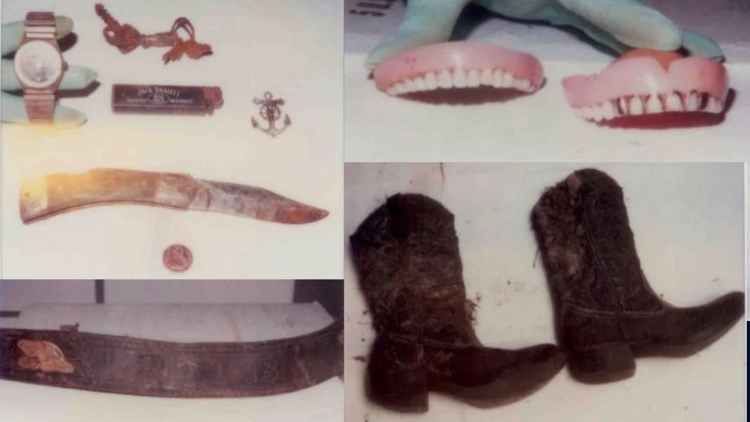
He was found wearing a belt with the initials 'RB' in Humble in 1987. Who was he?
By Elena Rodriguez
Advertisement · Why this ad?
Elena Rodriguez has over 15 years of experience covering local news in North Texas, including a decade at the Plano Star Courier. A graduate of the University of Texas at Arlington, she has earned multiple awards for her in-depth coverage of community issues and civic engagement. She’s passionate about amplifying underrepresented voices and fostering dialogue amongst residents.
More from Elena →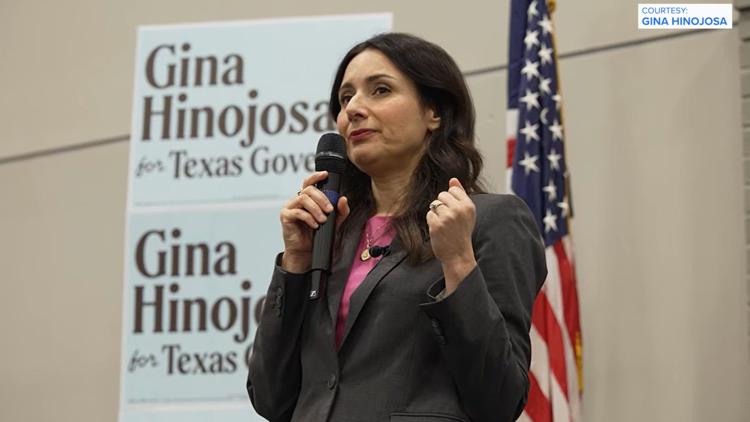
As the sun rises over Plano, Texas, the streets begin to fill with the sounds of morning routines—children laughing as they head to school, the hum of cars on their daily commute, and the distant chatter of neighbors greeting one another. In the heart of this bustling community, one question lingers in the air: "Will Texans receive $1,500?" This inquiry stems from a recent proposal by Governor-elect Gina Hinojosa, who has suggested utilizing $17 billion from the state’s rainy-day fund to provide direct payments to residents.
In a recent announcement, Hinojosa pitched a bold plan that aims to ease the financial burdens many Texans face. She proposed the use of the state’s rainy-day fund to allocate $1,500 payments to eligible residents. This initiative is not just about financial relief; it also represents a commitment to supporting families and individuals during challenging times. However, while the idea is promising, it is crucial to note that no payment or distribution date has been officially approved yet.
The rainy-day fund, which has been built up over the years, currently stands at a robust $17 billion. This fund is designed to provide financial stability during economic downturns, making it a logical source for such an ambitious proposal. However, the path to actualizing this plan is fraught with political negotiations and legislative approvals that will take time.
The rainy-day fund, formally known as the Economic Stabilization Fund, was established to ensure that Texas has a financial cushion in times of economic uncertainty. Over the years, it has been a point of contention among lawmakers, particularly when it comes to how the funds should be utilized. While some advocate for using these funds to provide direct financial assistance to residents, others argue that the money should be reserved for emergencies only.
Governor-elect Hinojosa's proposal has reignited discussions about the fund's purpose and potential uses. Many Texans are hopeful that the fund can be tapped to provide immediate relief to families, especially those struggling with rising costs of living. As the community grapples with inflation and economic challenges, the prospect of receiving direct payments could offer a much-needed lifeline.
In Plano, the potential for receiving $1,500 has sparked conversations in households and community centers alike. For many families, this payment could mean the difference between making ends meet or falling behind. Local resident Maria Gonzalez shared her thoughts, saying, "Every little bit helps. With rising prices, that money could go towards groceries or school supplies for my kids."
Others, like small business owner James Carter, expressed cautious optimism. "I think it’s a great idea, but I worry about the logistics. How will the state ensure that everyone who needs it receives it?" Such questions reflect a broader sentiment among residents who are eager for support, yet wary of the implementation process.
Hinojosa’s plan has also drawn attention from various community leaders and organizations. Many are rallying behind the proposal, advocating for a swift and fair distribution process that prioritizes those most in need. The Plano Chamber of Commerce has voiced its support, emphasizing that direct payments could stimulate local businesses and help the economy recover more quickly.
While the idea of using the rainy-day fund for direct payments seems appealing, the political landscape in Texas can be complex. The proposal must navigate through the legislative process, where it will face scrutiny from both sides of the aisle. Some lawmakers may argue against the use of the fund for direct payments, advocating instead for long-term economic strategies.
Additionally, as the state prepares for the upcoming legislative session, the focus will be on budgetary priorities and economic recovery plans. Hinojosa’s proposal will need to be carefully crafted to gain bipartisan support, which may require compromise and negotiation. The governor-elect has indicated her willingness to work with lawmakers to ensure that the plan can be realized.
As discussions about the $1,500 payments continue, the stories of Plano residents highlight the diverse impacts such assistance could have. For instance, single mother of three, Emily Tran, expressed her hope: "This could help me pay off some debts and catch up on bills. I want to give my kids a better life, and this support would be a step toward that." Emily, who works two jobs, represents many in the community who are striving to provide for their families amidst rising costs.
Moreover, local organizations, such as the Plano Food Bank, are preparing for a potential increase in demand should these payments be approved. Executive Director Sarah Bennett stated, "We are ready to assist families who may still struggle despite the payments. We want to ensure that everyone has access to food and essential resources." This sentiment echoes the importance of not only financial support but also community resources in ensuring overall well-being.
The stakes are high for many Texans who are counting on this financial support. With the cost of living increasing, families are feeling the pinch more than ever. The proposed $1,500 payment could provide a significant boost to household budgets, allowing families to invest in necessities and perhaps even save for the future.
Moreover, the potential impact on the local economy cannot be overlooked. Direct payments could lead to increased spending at local businesses, thereby fostering economic growth in the community. Residents are hopeful that this initiative will not only provide immediate relief but will also have long-lasting positive effects on the local economy.
As the community awaits further developments, many are turning their attention to how they can prepare for the possibility of receiving these funds. Financial literacy programs and community workshops are being organized to help residents understand how to manage any potential windfall responsibly. These programs aim to empower residents with skills to budget, save, and invest wisely, ensuring that the benefits of the payments extend beyond immediate relief.
As we look to the future, the question remains: what must happen for Hinojosa’s payment plan to become a reality? First and foremost, it will require legislative approval. This means that residents need to stay informed about the discussions taking place in the Texas Capitol and advocate for the plan's passage.
Community engagement will be vital in this process. Residents are encouraged to voice their support to their local representatives and participate in town hall meetings to discuss the proposal. As the political climate evolves, it will be essential for Texans to remain active in the conversation surrounding this initiative.
In conclusion, while the prospect of $1,500 payments is an enticing one for many Texans, it is important to remember that the journey from proposal to reality will take time and effort. The community's resilience and commitment to supporting one another will be crucial as we navigate this process together. With hope and determination, Plano residents can work towards a brighter economic future. The potential benefits of this initiative could ripple through the community, fostering a spirit of collaboration and solidarity as they work together to advocate for their needs.
By Elena Rodriguez
By Elena Rodriguez

By Brianna Lee

By Elena Rodriguez