
Community
Tracking all midterm election race results in Texas
By Tommy Lee
Advertisement · Why this ad?
Elena Rodriguez has over 15 years of experience covering local news in North Texas, including a decade at the Plano Star Courier. A graduate of the University of Texas at Arlington, she has earned multiple awards for her in-depth coverage of community issues and civic engagement. She’s passionate about amplifying underrepresented voices and fostering dialogue amongst residents.
More from Elena →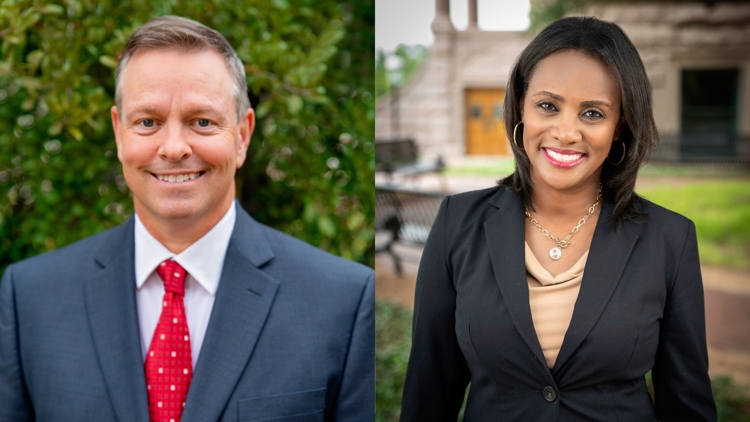
As the sun dipped below the horizon on the evening of November 8, 2022, the air in Tarrant County buzzed with anticipation. Families gathered around their dining tables, children playing in the background, while parents discussed the future of their community. At the forefront of their conversations was the highly contested race for Tarrant County judge, a position that carries significant weight in the governance of their everyday lives. The candidates, Tim O'Hare and Alisa Simmons, stood poised to shape the future of their home, and the stakes couldn’t be higher.
Tim O'Hare, a seasoned attorney and former mayor of Bedford, brings a wealth of experience to the table. His campaign focused on promoting public safety, economic growth, and restoring integrity to the office of the county judge. O'Hare has positioned himself as a strong advocate for law enforcement and community values, emphasizing a commitment to keeping families safe and ensuring a prosperous environment for businesses to thrive.
On the other side of the aisle is Alisa Simmons, a passionate community leader with deep roots in Tarrant County. Simmons has dedicated her career to public service, advocating for equitable access to resources and opportunities for all residents. Her platform centers around social justice, mental health initiatives, and enhancing community engagement. Simmons believes that effective governance begins with listening to the voices of the people she aims to serve.
Both candidates employed distinct strategies to connect with voters. O'Hare focused on traditional campaigning methods, including town halls and community forums, where he could directly address concerns about crime rates and economic stability. He emphasized his experience and track record in local governance, aiming to reassure voters of his capability to lead.
Simmons, conversely, harnessed the power of grassroots mobilization. Her team organized community events that not only informed voters about her policies but also fostered a sense of unity among constituents. By prioritizing dialogue and collaboration, Simmons aimed to create a platform that truly reflected the diverse needs of Tarrant County residents.
The results of the election were not just numbers; they represented the voices of the community. With O'Hare and Simmons both garnering significant support, it was clear that Tarrant County voters were deeply engaged in the political process. The outcome of this race would set the tone for future governance and community initiatives.
As the dust settled on election night, O'Hare emerged as the victor, capturing 54% of the vote compared to Simmons' 46%. His supporters celebrated the win as a mandate for change, with many expressing hope that O'Hare would deliver on his promises to enhance public safety and economic development.
The implications of O'Hare's victory extend beyond the election results. His commitment to law enforcement and public safety resonates with families who prioritize the safety and well-being of their loved ones. Many residents have voiced their concerns about rising crime rates, and O'Hare's election is seen as a step towards addressing these issues head-on.
Conversely, Simmons' supporters, while disappointed, remain hopeful that her vision for a more equitable community will continue to influence local policies and discussions. Many believe that her advocacy for mental health resources and social justice will not fall on deaf ears, even if she was not elected.
The community response to the election results was a tapestry of emotions. Many residents gathered at local venues to watch the results unfold, sharing their hopes for the future. For O'Hare's supporters, there was a palpable sense of optimism. Local business owner Maria Gonzalez, who has known O'Hare for years, expressed her enthusiasm: "Tim has always been someone who listens to our concerns. I believe he will work hard to ensure our businesses thrive and our neighborhoods remain safe."
On the other hand, Simmons' supporters expressed a sense of resolve. Community organizer James Lee stated, "While we didn't win this time, our fight for social justice and mental health resources isn't over. Alisa has ignited a movement in Tarrant County, and we will continue to advocate for change." This sentiment reflects a broader trend in Tarrant County, where civic engagement has surged, especially among younger voters who are increasingly aware of the issues affecting their communities.
As Tarrant County moves forward under O'Hare's leadership, the focus will be on implementing the policies that resonated with voters during the campaign. His administration is expected to prioritize initiatives that bolster public safety, enhance economic opportunities, and foster community engagement. O'Hare has already announced plans to meet with community leaders from various sectors to discuss actionable strategies that can be implemented swiftly.
Moreover, the election has sparked a renewed interest in civic participation among residents. Many community members have expressed a desire to remain involved in local governance, attending town halls and engaging with their elected officials. This shift towards active participation is a promising sign that Tarrant County is committed to building a brighter future for all its residents.
In the coming months, Tarrant County will witness a series of changes as O'Hare begins to implement his agenda. Key priorities will likely include public safety reforms, economic development initiatives aimed at small businesses, and a focus on infrastructure improvements. O'Hare has indicated that he plans to work closely with law enforcement agencies to address crime in a holistic manner, emphasizing community policing and partnerships with local organizations.
Simultaneously, the community will need to remain vigilant and engaged. Local advocacy groups that supported Simmons are already planning forums and workshops to ensure that the issues of social justice and mental health remain at the forefront of community discussions. The conversations sparked during the campaign are likely to continue, as residents seek to hold their elected officials accountable and push for policies that reflect their values.
For those looking to stay informed and engaged, several local organizations are dedicated to fostering community involvement. The Tarrant County official website provides updates on local governance and community resources. Additionally, the City of Plano offers information on city events and initiatives that encourage civic engagement.
Residents can also explore opportunities to volunteer with local nonprofits, such as the United Way of Tarrant County, which focuses on improving lives through education, financial stability, and health initiatives. Engaging with these organizations can help foster a sense of community and ensure that every voice is heard in the ongoing dialogue about the future of Tarrant County.
By Tommy Lee
By Eli McBride

By Brianna Lee
By Elena Rodriguez