
Schools
2 college students killed in Texas crash, police say
By Rafael Torres
Advertisement · Why this ad?
Elena Rodriguez has over 15 years of experience covering local news in North Texas, including a decade at the Plano Star Courier. A graduate of the University of Texas at Arlington, she has earned multiple awards for her in-depth coverage of community issues and civic engagement. She’s passionate about amplifying underrepresented voices and fostering dialogue amongst residents.
More from Elena →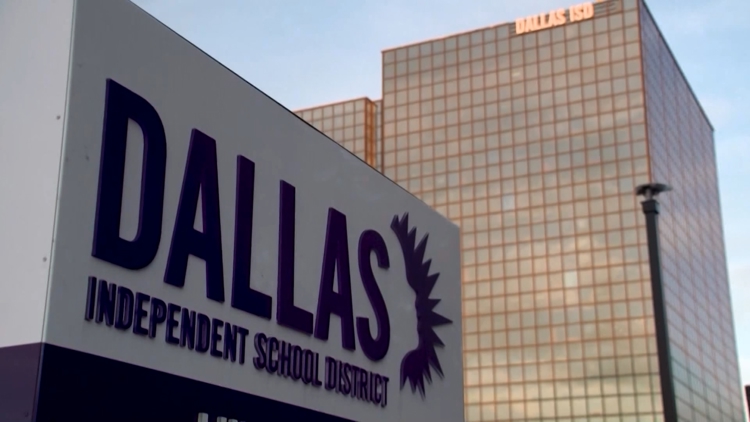
As the sun began to rise over the heart of Dallas, a gentle hum of anticipation filled the air. Parents hurriedly prepared their children for school, while teachers organized their classrooms, hoping for another productive day ahead. However, beneath this familiar morning routine, a cloud of uncertainty loomed over six Dallas Independent School District (DISD) schools. The prospect of potential closure due to a budget deficit and declining enrollment has left many families and educators grappling with anxiety and concern.
On Thursday, the Dallas ISD Board of Trustees convened to discuss a pressing agenda item that could significantly impact the community. The board is set to vote on the potential closure of six schools within the district, a decision driven by a budget deficit that has reached alarming levels. As the district faces financial challenges, the reality of low enrollment numbers at these schools has further complicated the situation.
The schools under consideration for closure include some that have served the community for decades. Each institution is not merely a building; it is a hub of learning, a gathering place for families, and a source of pride for the neighborhoods they serve. The decision to potentially close these schools is not taken lightly, but the financial realities of the district necessitate tough choices.
The budget deficit facing Dallas ISD is a complex issue rooted in various factors, including decreased state funding and rising operational costs. According to reports, the district is grappling with a deficit that has reached approximately $40 million. This financial strain has forced district leaders to reevaluate their priorities and make difficult decisions about resource allocation.
Low enrollment numbers have compounded the issue. Many parents have opted to enroll their children in alternative education options, including charter schools and private institutions, which has led to a decline in student populations at certain DISD schools. For example, schools like Henry W. Longfellow Career Exploration Academy and Benjamin Franklin Middle School have seen significant drops in enrollment, prompting district officials to consider consolidation as a possible solution.
The potential closure of these schools has sparked a wave of concern among parents and educators. Many community members fear that shutting down local schools will disrupt the fabric of their neighborhoods. Schools are more than just places of learning; they are community centers where families gather, friendships are formed, and cultural ties are strengthened.
Maria Gonzalez, a mother of three and a long-time resident of the area, expressed her worries about the impact of school closures on her children’s education. “We’ve built a life here, and our schools are a part of that. Losing them would mean losing a piece of our community,” she said. Her sentiments echo the feelings of many who believe that schools play a vital role in fostering a sense of belonging.
Educators at the schools facing closure are equally concerned about the implications for their students. Teachers like Mr. Jameson, who has dedicated over a decade to teaching at Hillcrest High School, worry about the loss of relationships built over years. “Every student has a story, and we know them personally. It’s heartbreaking to think about the impact this decision could have on their lives,” he shared.
Many teachers and staff have also voiced their commitment to their students and the community. They emphasize the importance of education as a pathway to opportunity and success. The potential closure of these schools raises questions about access to quality education, particularly for families who may not have the means to travel to schools further away.
The ramifications of closing schools extend beyond the classroom walls. Local businesses that rely on the foot traffic from families and staff may also feel the impact. Small shops and restaurants that have thrived due to the proximity of these schools could face financial challenges if the student population diminishes.
Moreover, the emotional toll on families cannot be understated. The bonds formed within school communities create a network of support that many rely on during difficult times. Losing these institutions could lead to feelings of isolation and uncertainty, particularly for families who have invested in their local schools for generations.
As the board prepares to vote on the potential closures, community members are urged to voice their opinions and concerns. Public forums and meetings are being organized to allow residents to share their thoughts and advocate for their schools. The importance of community engagement cannot be overstated, as it plays a crucial role in shaping the future of education in Dallas.
Moving forward, it is essential for the district to explore alternative solutions that prioritize both fiscal responsibility and the needs of the community. Collaboration with local stakeholders, parents, and educators may pave the way for innovative approaches to address the budget deficit while preserving the schools that hold so much significance for families.
The potential closure of these six Dallas ISD schools serves as a reminder of the challenges facing public education today. As families and educators come together to navigate this difficult period, it is crucial to remember the values that bind us—commitment to education, community, and the well-being of our children.
In the wake of this looming decision, community leaders, parents, and educators are mobilizing to advocate for the preservation of these schools. Grassroots organizations are forming to create awareness and rally support, emphasizing the need for a united front. Meetings are being held in local churches and community centers, where residents can come together to discuss strategies for keeping their schools open.
Local activists, such as community organizer Alex Ramirez, are spearheading initiatives to engage families in the advocacy process. “It’s important for us to come together and voice our concerns. Our children’s education is at stake, and we must do everything we can to protect it,” he stated passionately during a recent community gathering. His call to action resonates with many who feel a deep connection to their schools.
The potential closures of these schools in Dallas ISD highlight a broader trend affecting urban education systems across the country. As districts grapple with financial constraints and shifting demographics, the challenge of maintaining quality education in underserved communities becomes increasingly complex. This situation serves as a wake-up call for policymakers to address the systemic issues that lead to such crises.
Advocates for public education argue that investment in schools is crucial for the long-term health of communities. They stress that schools should not only be seen as educational institutions but as vital components of the community's infrastructure. The fight to save these six schools is emblematic of a larger struggle for equitable access to quality education for all students, regardless of their zip code.
As the Dallas ISD Board of Trustees prepares to make a decision, the outcome will undoubtedly set a precedent for how the district approaches future challenges. The community’s response to this situation may also influence other districts facing similar dilemmas, sparking conversations about the importance of preserving educational opportunities for all children.
By Rafael Torres

By Elena Rodriguez

By Janelle Smith

By Eli McBride