
Schools
2 college students killed in Texas crash, police say
By Rafael Torres
Advertisement · Why this ad?
Devin Patel is an award-winning journalist with over 10 years of experience, holding a degree in Sports Management from the University of Houston. Before joining Plano Current, he covered the Dallas Mavericks for ESPN Radio, gaining a reputation for his insightful commentary and breaking news coverage. Devin's passion for sports is matched only by his dedication to accuracy and fairness in reporting.
More from Devin →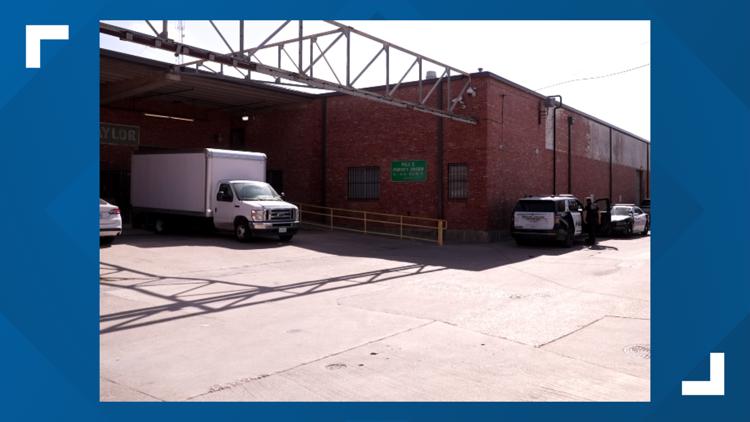
As the sun dipped below the horizon, casting a warm glow over the bustling streets of Plano, a somber reality loomed over the Dallas Police Department's Property Room. Inside, stacks of evidence boxes teeter precariously, reminiscent of a game of Jenga where one wrong move could lead to disaster. This overcrowding crisis is not just a logistical headache; it poses serious implications for the integrity of ongoing investigations and the community's safety.
The Dallas Police Department's Property Room has reached a critical point of overcrowding, a situation that has sparked concern among law enforcement officials and the community alike. With evidence storage becoming increasingly untenable, the department is now at a crossroads, as voters prepare to weigh in on a $400 million bond proposal. This funding could potentially alleviate the strain on the Property Room, allowing for the construction of a modern facility that meets the demands of a growing city.
As of now, the Property Room is bursting at the seams, with evidence from various cases—ranging from minor misdemeanors to serious felonies—stacked in every available corner. The outdated facility has not only hindered the department's ability to manage evidence effectively but has also raised concerns about the potential for mishandling crucial items that could impact court cases.
The Dallas Police Department has been grappling with this space crisis for years, but the situation has escalated recently as the city continues to grow. With an increasing population comes a rise in crime rates, leading to a higher volume of evidence that needs to be stored and managed. The current facility, built decades ago, was never designed to accommodate the modern demands of law enforcement.
According to reports, the Property Room is currently handling over 200,000 pieces of evidence, a staggering figure that highlights the pressing need for a solution. The proposed bond, if passed, would not only fund a new storage facility but also allow for upgrades to the department's technology and processes, ensuring that evidence is stored securely and efficiently.
The implications of this overcrowding crisis extend beyond the walls of the Property Room. Local residents are understandably concerned about how this could affect public safety and the efficacy of the justice system. When evidence is mishandled or lost due to poor storage conditions, it can lead to wrongful convictions or the dismissal of cases altogether.
Community leaders and residents alike have voiced their support for the bond proposal, emphasizing the need for a reliable and modern facility. “Our safety is paramount,” said Plano resident and community activist Sarah Johnson. “If evidence isn’t stored properly, it undermines the entire justice system. We need to ensure that our police have the resources they need to keep us safe.”
The proposed $400 million bond is a significant investment in public safety, but it has also sparked debate among taxpayers. Some residents worry about the financial burden it may place on the community, while others argue that the cost of inaction could be far greater. “What’s the cost of a crime wave?” asked local business owner Tom Williams. “If we don’t invest in our police department now, we may end up paying for it later in lost businesses and decreased property values.”
In addition to funding a new Property Room, the bond proposal includes provisions for upgrading the department’s technology and improving training for officers. These enhancements would not only streamline evidence management but also bolster the overall effectiveness of the police force in Plano and Dallas.
As the vote on the bond proposal approaches, the community is bracing itself for a pivotal moment in the city's future. Should the bond pass, it could mark a turning point for the Dallas Police Department, enabling them to address the overcrowding crisis head-on and restore faith in the justice system.
Local leaders are urging residents to educate themselves about the proposal and its implications. “This is not just about the police; it’s about our community and our families,” said community leader Maria Gonzalez. “We need to come together and support a solution that ensures safety for everyone.”
The future of the Dallas Police Department's Property Room hangs in the balance, and with it, the safety and well-being of the community it serves. As Plano residents prepare to cast their votes, the outcome will not only determine the fate of evidence storage but also reflect the values of a community committed to safety, justice, and progress.
In the midst of this crisis, the voices of those directly affected are crucial to understanding the broader implications of the bond proposal. For many residents, their concerns are not just about numbers or statistics; they are about real lives and the safety of their families. Local mother of three, Emily Thompson, shared her worries: “I want to feel safe in my neighborhood. If evidence can’t be stored properly, how can I trust that justice will be served if something happens?” Her sentiment echoes the fears of many who believe that a well-functioning police department is integral to community safety.
The bond proposal has also ignited discussions among local youth, who are increasingly aware of the challenges facing law enforcement. High school student and aspiring social activist, Jacob Martinez, expressed his thoughts at a recent town hall meeting. “It’s important for us to speak up about these issues. We need to ensure that our voices are heard and that we advocate for a system that works for everyone, not just a select few.” Such engagement from younger generations highlights the community's desire for a proactive approach to crime prevention and justice.
The implications of the bond proposal extend beyond just the Dallas Police Department. Successful passage could lead to a ripple effect throughout the community, potentially impacting local businesses and public trust in law enforcement. A modern evidence storage facility could mean quicker case resolutions, which in turn could foster a sense of safety and security among residents.
Moreover, the bond proposal is seen as an opportunity to enhance community-police relations. With improved facilities and resources, the police department can engage more effectively with the community, fostering transparency and trust. This is a critical step in a time when many communities across the country are grappling with issues of police accountability and community relations.
In the coming weeks, community members will have the opportunity to engage in discussions about the bond proposal at various forums organized by local leaders. These meetings aim to educate residents on the specifics of the proposal and its potential impact on public safety. Local organizations, such as the Plano Chamber of Commerce and the Plano Independent School District, are also expected to host informational sessions to ensure that all voices are heard.
As residents prepare to cast their votes, the importance of informed decision-making cannot be overstated. The outcome of this bond proposal will not only affect the Dallas Police Department but also shape the future of community safety and justice in Plano and beyond. The stakes are high, and the community's collective voice will ultimately determine the path forward.
By Rafael Torres

By Elena Rodriguez
By Brianna Lee
By Elena Rodriguez